A Revolutionary Step in Cancer Treatment
Researchers at the University of Notre Dame have developed a groundbreaking miniature implant designed to eliminate cancer cells without the need for chemotherapy.
This innovation has the potential to transform cancer treatment by offering a targeted, less toxic, and highly effective alternative to traditional therapies.
The device is small, precise, and engineered to attack tumors directly — sparing the rest of the body from the harsh side effects of chemotherapy.
🧬 How the Implant Works
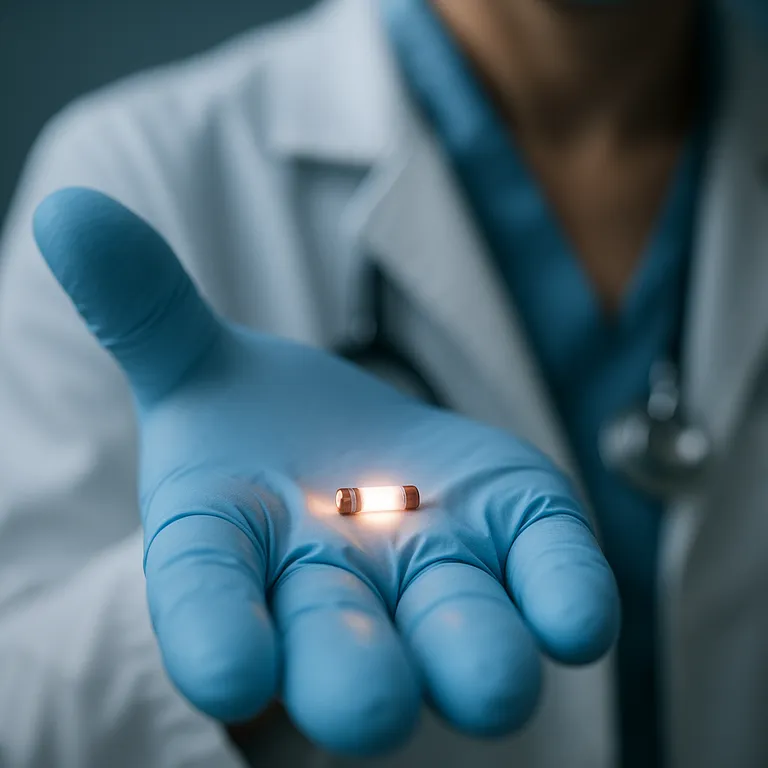
The implant, no larger than a grain of rice, is inserted near or inside a tumor.
Once activated, it releases specialized agents that:
- Target and destroy cancer cells
- Avoid healthy tissue
- Activate the body’s immune system
- Prevent cancer from spreading
- Reduce systemic toxicity
Unlike chemotherapy — which floods the entire body — this implant works locally, attacking only the diseased area.
🔬 The Science Behind the Breakthrough
Notre Dame scientists are combining nanotechnology, immunology, and bioengineering to create a device that can:
✔ Deliver cancer-killing molecules directly to tumors
✔ Release treatment in controlled micro-doses
✔ Reduce treatment duration
✔ Minimize or eliminate the need for chemotherapy
✔ Enhance the body’s natural defense mechanisms
Early laboratory studies show dramatic reductions in tumor growth and promising survival rates.
💊 Why This Matters
Chemotherapy, while life-saving, causes severe side effects such as:
- Hair loss
- Fatigue
- Nausea
- Weakened immunity
- Organ damage
This implant could eliminate or significantly reduce the need for chemo, giving patients:
- A better quality of life
- Faster recovery
- Fewer long-term complications
- More targeted treatment with higher precision
For many cancer patients — especially those who cannot tolerate chemotherapy — this innovation could be life-changing.
🧪 What Researchers Have Achieved So Far
In preclinical testing, the implant has shown:
- High success in destroying cancer cells
- Minimal damage to surrounding tissue
- Increased immune activation
- Promising safety profile
The next step: expanding trials and evaluating effectiveness across different cancer types.
🌍 A New Era in Cancer Treatment?
Experts believe this technology could open the door to:
- Personalized cancer implants
- Combination therapies with immunotherapy
- Ultra-targeted tumor treatment
- Reduced hospital visits
- At-home cancer management devices
While still under development, the Notre Dame implant represents one of the most hopeful advancements in modern oncology.
🕊️ The Takeaway
A tiny implant with enormous potential — this could redefine how we treat cancer in the future.
By eliminating tumors without chemotherapy, it offers a path to gentler, more effective, and life-changing treatment for millions of patients worldwide.
The future of cancer therapy may be smaller, smarter, and far more humane.
By ✍️ Yorlinda Ramìrez- MicuPost Team
Sources: